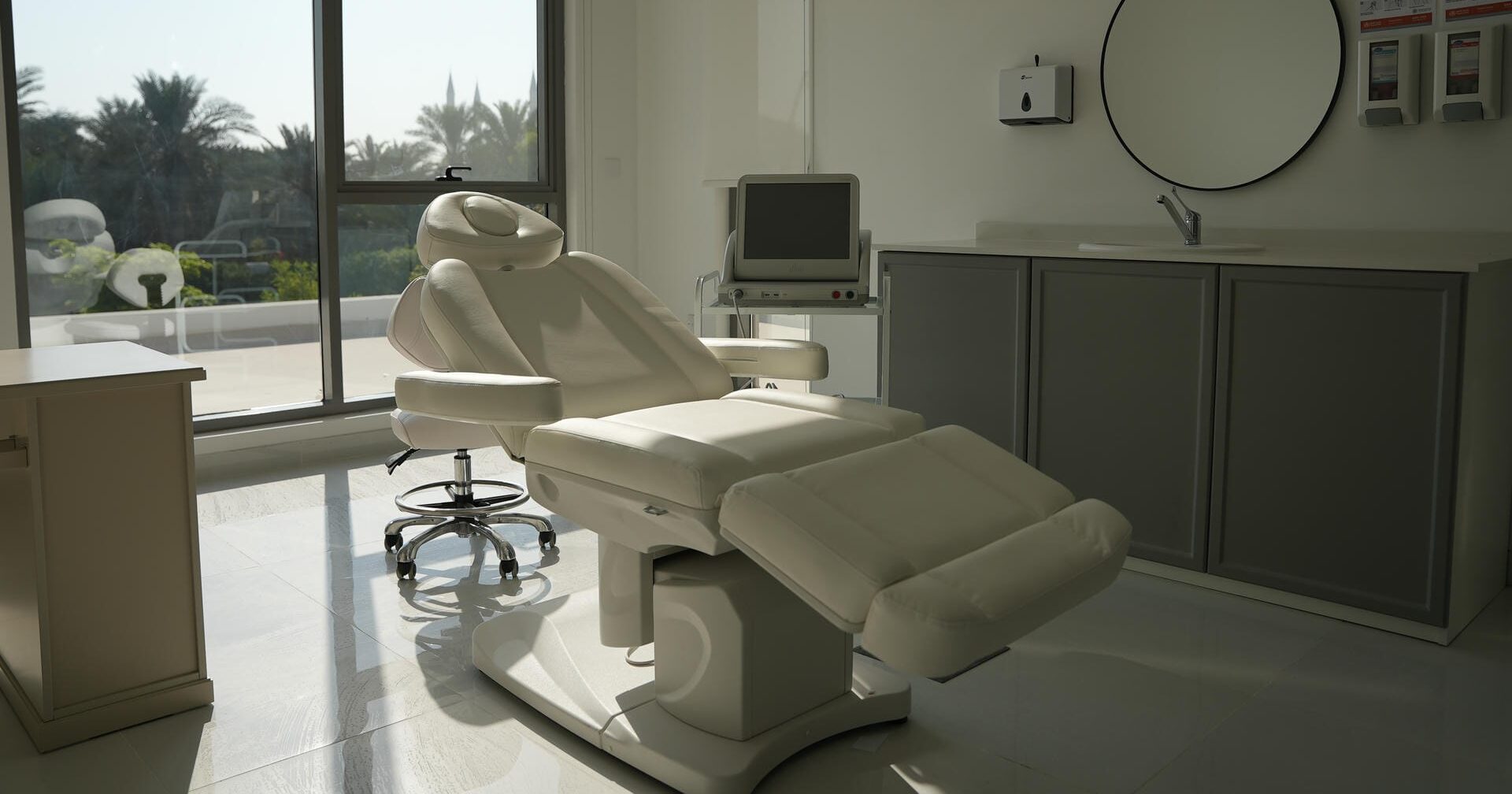


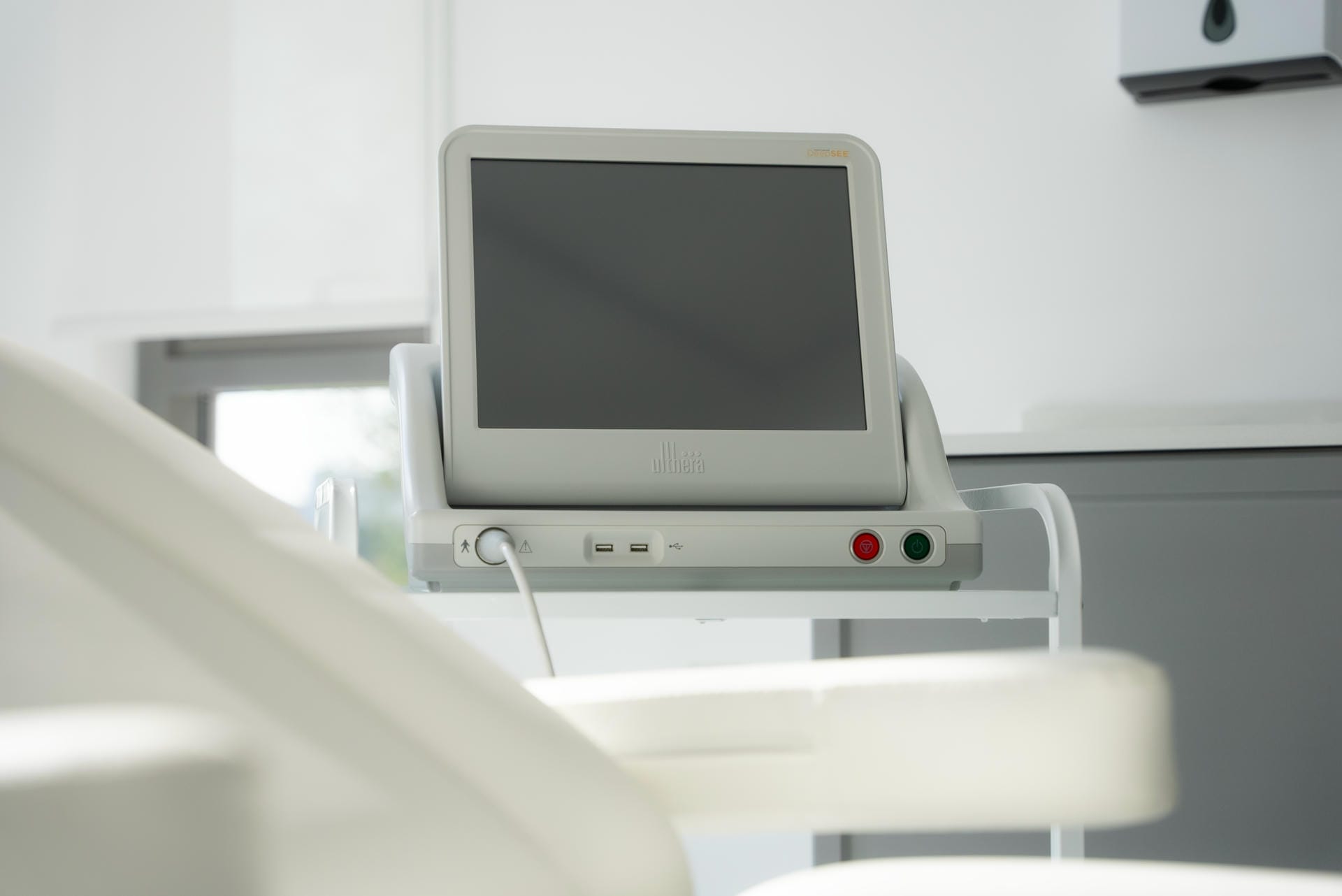
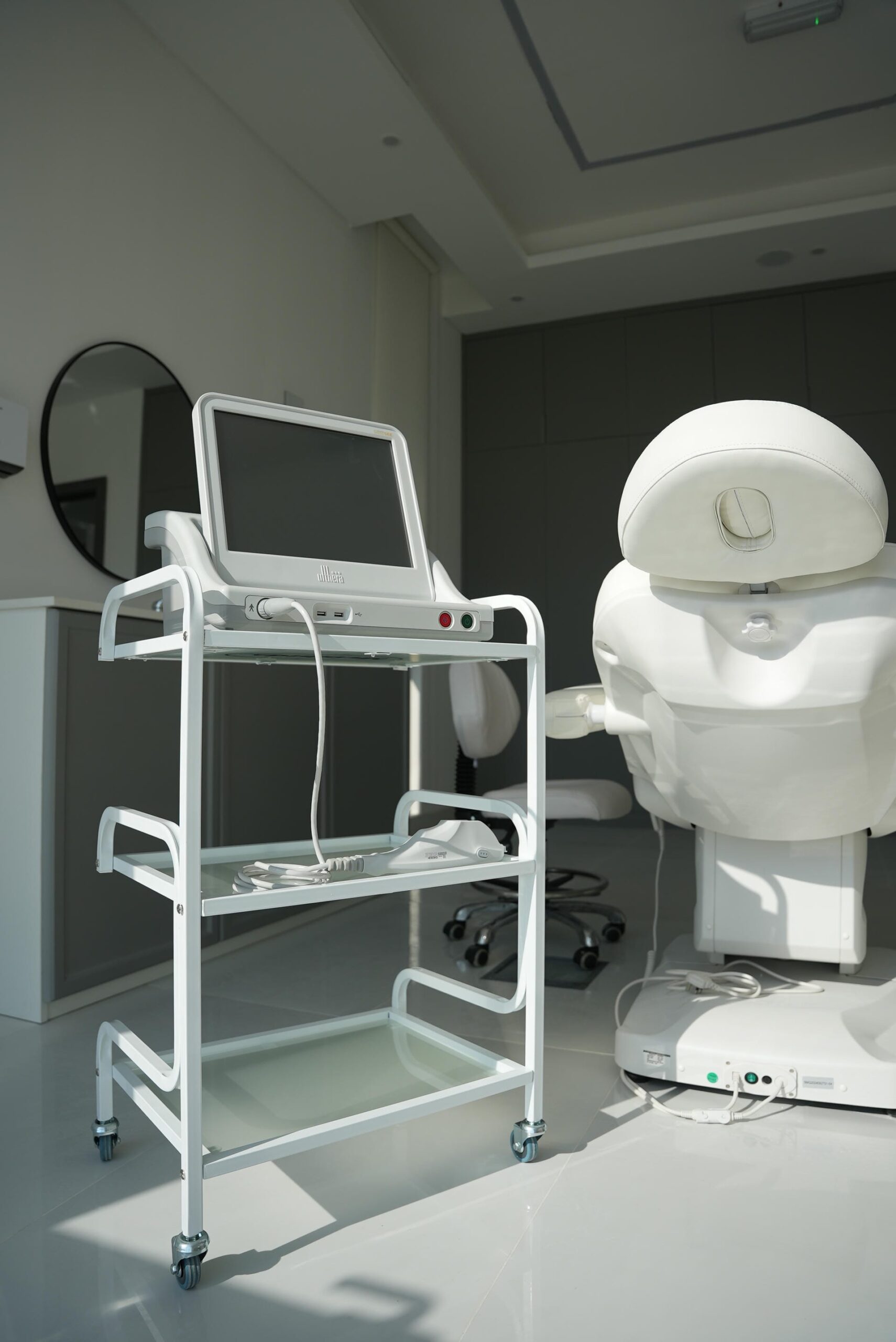
SMAS-lifting on the Ulthera System device
Ulthera System uses focused ultrasound with tissue imaging to plan and deliver treatment. A clinician assesses whether this approach is suitable for your concerns.
The procedure does not replace a surgical facelift. Results, sensations and recovery vary. Before treatment, your clinician discusses contraindications, possible side effects and alternatives.
Ultrasound imaging helps the clinician assess tissues and plan treatment. Areas and settings are chosen individually. The procedure does not involve surgical incisions, but it has contraindications and possible side effects.

Changes develop gradually and differ between patients. The degree and duration of improvement depend on the initial tissue condition and individual response. An immediate result, a specific duration of effect or a pain-free procedure cannot be guaranteed.
Your clinician will explain possible reactions, including discomfort, redness and swelling, as well as other risks and aftercare.
Advantages of the procedure

- Fine wrinkles
- Nasolabial folds
- Loss of skin firmness and elasticity
- Symmetry disorders of the oval of the face
- Drooping of the corners of the lips
Before the procedure, a mandatory consultation with a specialist is necessary to determine the presence of individual contraindications.
There are situations in which the Ulthera System is not recommended. The main contraindications include:
- pregnancy and breastfeeding;
- oncological diseases;
- the presence of a pacemaker or metal implants in the area of exposure;
- epilepsy;
- acute inflammatory processes or infections in the area of the proposed treatment;
- dermatological diseases (eczema, psoriasis, herpes in the active stage);
- diabetes mellitus in the decompensation stage;
- pronounced scars or fresh skin damage in the procedure area.
Before starting the course, it is recommended to consult a specialist to assess risks and choose the best correction option.